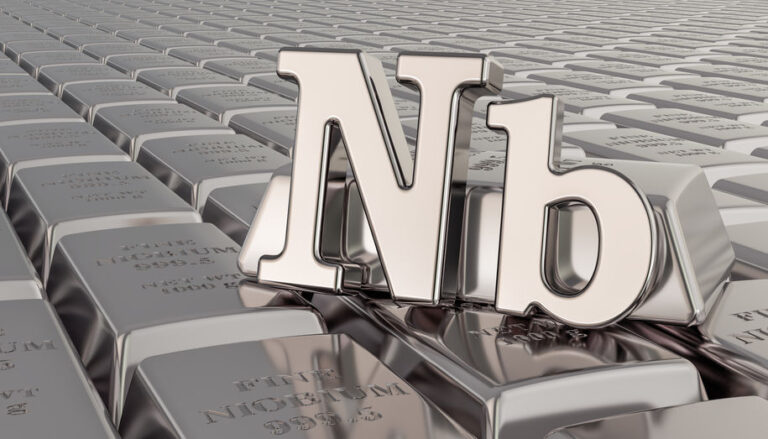
Nä'ä pädi dige ar niobio? Nu'bu̲ Gar komongu kasu̲ nga̲tho ya jä'i, ar respuesta hingi ar xingu. Wat'i, ga pädi 'me̲hna: ar niobio ar gi japu̲'be̲fi jar nga̲tho ar klase ya 'bede, ndezu̲ ar joyería hipoalergénica asta imanes superconductores. 'nehe encontrará niobio jar 'ra ya motores reacción.
Niobium Characteristics
Niobium is a shiny, bo̲jä nt'axi nä'ä to convertir nzu̲nt'i thuhu azul, green or yellow when exposed to air. With the atomic number of 41 and the symbol Nb, niobium has an atomic weight of 92.906 and a density of 8.57 grams per cubic centimeter. At room temperature it’s solid. Niobium’s melting point is 4,491 degrees Fahrenheit and its boiling point is 8,571 ya grado ar F.
Niobium History
Niobium used to be called columbium in the U.S. for some 100 Ya je̲ya, whereas it was niobium in Europe. It has a complicated history, but suffice it to say that niobium was pretty much “figured out” in the mid-1800s. Around 1950, the International Union of Pure and Applied Chemistry officially adopted niobium as the element’s name, in deference to European usage. Gi mä 'me̲hna,, you might still find some who refer to it as columbium!
Where Niobium is Found and Utilized
In nature, niobium is almost always found with tantalum. Today it’s found and mined in Brazil and Canada, with enough to last for probably the next five centuries according to experts.
Where is niobium most utilized? That would be in the steel industry. It’s used to create high-strength, low-alloy steels. Niobium is used to increase toughness as well as corrosion resistance.
Ngäts'i, niobium is known as one of the five refractory metals, all of which have very high resistance to heat and wear.
Need niobium? You’re in luck– Eagle Alloys, an industrial metal supplier, has it for sale in a variety of forms. 'Nehe tsa̲ da xekwi ya Eagle Alloys jar ar 800-237-9012 for more information about niobium.